Gommeok: Exploring the Delicious Korean Fish Cake Delight

Introduction
Have you ever craved a unique street food that’s both comforting and packed with flavor? Many food lovers hear about Korean fish cakes—popularly known as Gommeok or eomuk in Korea—but don’t quite understand what they are or how to enjoy them. This can leave you unsure whether it’s worth trying or where to start. This detailed guide breaks down everything from what Gommeok really is to how it’s enjoyed in Korean cuisine, so you can appreciate it like a seasoned foodie and maybe even try making it yourself at home.
What Is Gommeok (Korean Fish Cake)?
Gommeok refers to delicious Korean fish cakes, traditionally made by blending white fish with seasonings, flour, and starch to form a springy, savory cake. In Korea, this beloved ingredient goes by two names: eomuk (어묵), which is the standard Korean term, and odeng (오뎅), a loanword adapted from the Japanese oden, though it means essentially the same thing in daily use.
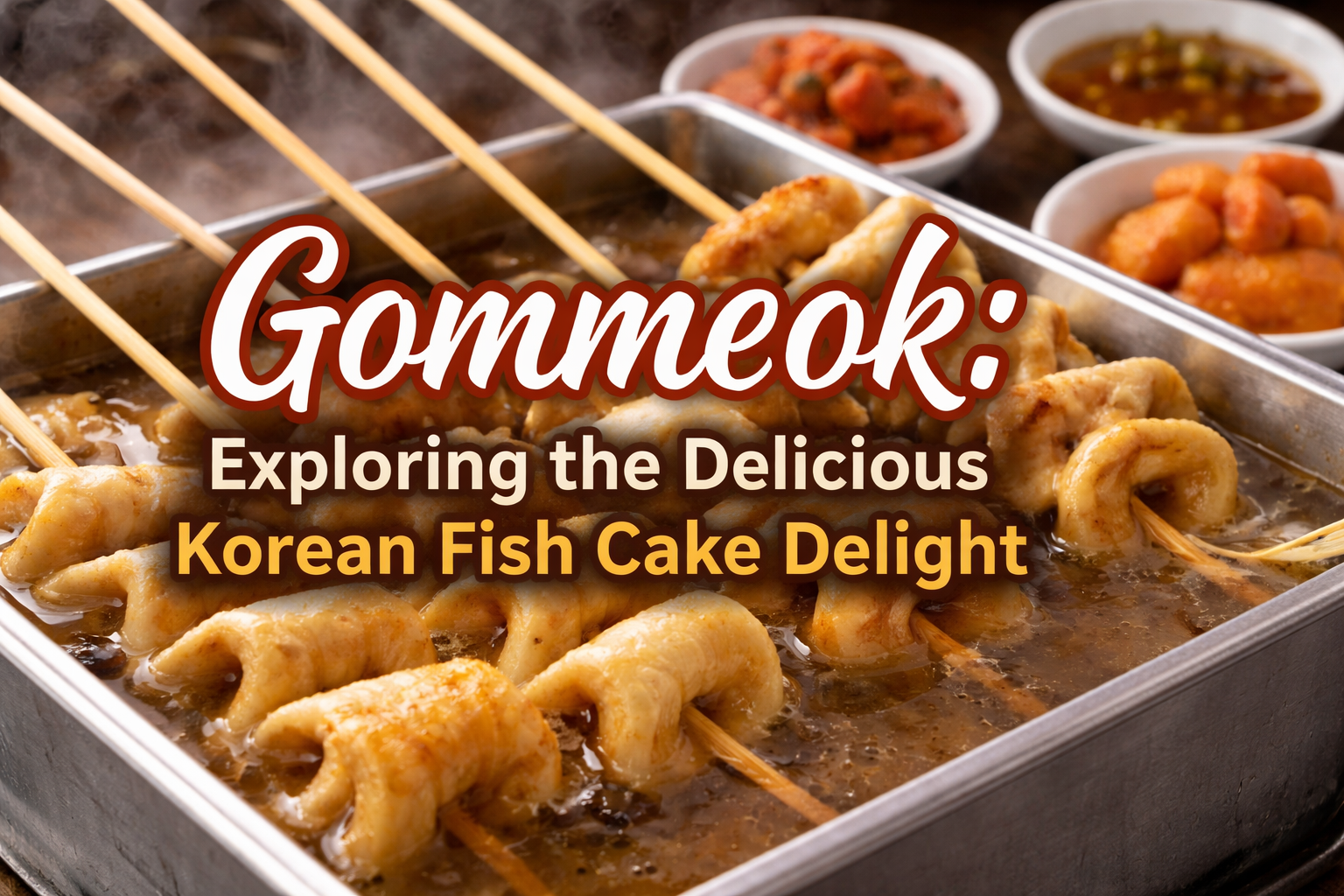
These fish cakes are a quintessential part of Korean street food culture, often simmered on skewers in a hot broth, especially during colder months.
History and Cultural Significance
While fish cakes have roots across East Asia, Korean Gommeok evolved uniquely over time. It became especially popular in the port city of Busan, where fresh seafood influences a variety of local culinary traditions.
Originally influenced by Japanese culinary practices, Korean fish cakes adapted local flavors and techniques to create something distinctly Korean. Today, Gommeok is not just a snack—it’s a beloved staple in street food markets, home kitchens, and even modern fusion dishes.
How Gommeok Is Made: Crafting the Perfect Fish Cake
The foundation of Gommeok starts with pureed white fish—such as pollock or cod—that’s mixed with flour, starch, vegetables, and seasonings. This mixture is shaped, steamed or fried, and then used in a variety of dishes.
Some versions are simply boiled and served, while others are fried for extra texture. The result is a soft yet chewy texture that absorbs sauces and broths beautifully.
Popular Ways to Enjoy Gommeok
1. Skewered Fish Cake in Broth (Odeng Guk)
One of the most iconic ways to enjoy Gommeok is as skewers simmered in a light anchovy or kelp broth, often sold from street carts throughout Korea. The hot broth adds rich umami flavor with every bite.
2. Fish Cake Soup
In soups like eomuk guk, fish cakes are combined with vegetables and savory broth to make a comforting meal perfect in cold weather.
3. Stir-Fried Fish Cake (Eomuk Bokkeum)
A popular side dish (banchan), this version tosses sliced fish cake with soy sauce, garlic, sugar, and sesame oil for a sweet-savory bite alongside rice.
4. Tteokbokki and Other Street Favorites
Fish cakes frequently appear in spicy rice cake dishes like tteokbokki, where the chewy texture soaks up fiery sauce.
Gommeok vs Odeng: Are They the Same?
Yes — in everyday usage, Gommeok (eomuk) and odeng both refer to Korean-style fish cake. The difference lies largely in the origin of the words: odeng comes from the Japanese oden. Despite this history, the two terms are used interchangeably in Korea.
Health and Nutrition Considerations
Fish cakes are generally lower in fat than many fried snacks, and as they’re made from fish protein, they provide a source of nutrients. However, the nutritional profile changes based on preparation methods such as frying or combining with sugary sauces.
If you’re watching sodium intake or prefer healthier versions, consider making Gommeok at home with minimal oil and fresh ingredients.
Frequently Asked Questions (FAQs)
Q1: What is Gommeok?
Gommeok refers to Korean fish cakes made from ground fish and seasonings. They’re soft and chewy and a beloved street food and ingredient in Korean cuisine.
Q2: Is Gommeok the same as Odeng?
Yes, they’re effectively the same dish. Odeng is a term borrowed from Japanese (oden), but it’s widely used in Korea to refer to fish cakes.
Q3: How is it typically eaten?
Commonly, it’s served on skewers in hot broth, added to soups, stir-fried with sauces, or paired with spicy rice cakes (tteokbokki).
Q4: Can Gommeok be made at home?
Absolutely! Many home cooks make fish cakes using fresh fish and simple seasonings, shaping and steaming or frying them.
Q5: Is it healthy?
It can be, especially if prepared with lean fish and cooked without excessive oil or sugar. Nutritional content depends on the recipe and cooking method.
Conclusion
Gommeok embodies the heart of Korean comfort food—simple ingredients transformed into flavorful, satisfying bites. Whether you enjoy it skewered from a street vendor or simmered in your kitchen at home, understanding this food’s history, preparation, and cultural significance deepens your appreciation of Korean cuisine. From eomuk guk to stir-fried variations and its role in popular dishes like tteokbokki, Gommeok offers endless delicious possibilities for adventurous eaters everywhere.