Vegg List: The Ultimate Guide to Healthy Vegetables and Their Nutritional Benefits


Vegetables are essential for healthy living, yet many people struggle with what vegetables to include in their diet and why some are more beneficial than others. If you’ve ever stood in front of a produce section wondering, “Which veggies should I choose to get the most nutrients?” — you’re not alone. The overwhelming number of choices and conflicting online information can make healthy eating confusing. The understanding a comprehensive vegg list that outlines vegetable types, their nutrition, and how to include them for better health. This guide provides exactly that — from leafy greens to root vegetables, explained clearly and backed by nutritional data.
What Is a Vegg List and Why It Matters
A vegg list is essentially a structured compilation of vegetables — from common favorites to nutritious powerhouses. Vegetables include plant parts such as roots, leaves, stems, flowers, and even some fruits that we treat like veggies in our meals. Scientists and health experts often group vegetables based on the part we eat and their health benefits.
This vegetable list helps in meal planning, improves dietary variety, and ensures you receive the essential vitamins, minerals, and fiber your body needs.
Types of Vegetables: Understanding the Categories
Vegetables are not just one generic group — they are diversified by plant parts, each offering unique nutrients:
1. Leafy Vegetables
- Examples: Spinach, lettuce, kale
- Benefits: Rich in vitamins A, C, K, folate, and iron — great for immunity and bone health.
2. Root and Tubers
- Examples: Carrot, radish, sweet potato
- Benefits: High in beta-carotene and vitamin A, support eye health and energy production.
3. Fruit Vegetables
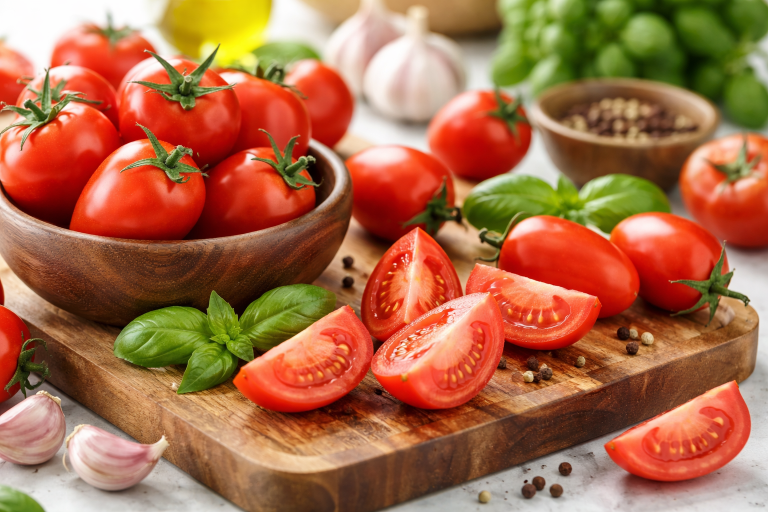
- Examples: Tomato, bell pepper, eggplant
- Benefits: Contains antioxidants like lycopene and vitamin C that protect heart and skin.
4. Stem and Bulb Vegetables
- Examples: Celery, onion, garlic
- Benefits: May help reduce inflammation and support digestion.
5. Podded and Legumes
- Examples: Peas, green beans
- Benefits: Adds fiber and plant-based protein to your meals.
Comprehensive List of Vegetable Names (Vegg List)
Here’s a curated vegetable names list to help you recognize the most commonly eaten vegetables and expand your healthy choices:
- Leafy Greens: Spinach, kale, lettuce, Swiss chard
- Cruciferous: Broccoli, cauliflower, cabbage, Brussels sprouts
- Root & Tubers: Carrots, potatoes, sweet potatoes, radishes
- Fruiting Veggies: Bell peppers, cucumbers, eggplants
- Alliums: Onion, garlic, leeks
- Legumes & Pods: Peas, green beans
- Other Favorites: Zucchini, pumpkin, celery, beet greens
This kind of fresh vegetables list helps you stock your kitchen with items that are versatile, nutritious, and delicious.
Top Healthy Vegetables and Their Benefits
While all vegetables are healthy, some stand out due to their nutrient density. Below are some of the most nutritious picks:
1. Spinach
Packed with iron, vitamins A and K, and antioxidants — excellent for blood health and immunity.
2. Broccoli
Loaded with fiber, vitamins C and K, and sulfur compounds that support detoxification.
3. Kale
A leafy green superfood high in vitamins A, C, and K — often ranked among the healthiest.
4. Carrots
Great source of beta-carotene and vitamin A, supporting eye health and immune function.
5. Bell Peppers
Rich in vitamin C and antioxidants — helps boost immunity and skin health.
How to Use This Vegg List for Meal Planning
A healthy vegetables list is more than just names — it helps form balanced meals:
- Breakfast: Add spinach or bell peppers to omelets.
- Lunch: Include broccoli or carrots in salads.
- Dinner: Roast mixed veggies like zucchini, eggplant, and sweet potatoes.
By rotating vegetables from different categories, you ensure a variety of essential nutrients every day.
Tips to Keep Vegetables Fresh
Keeping your vegetables fresh increases flavor and nutrient retention. Here’s how:
- Store in Breathable Containers: Keeps moisture balanced.
- Use Crisper Drawers: Helps maintain optimal humidity.
- Don’t Wash Until Use: Moisture from washing accelerates spoilage.
A good fresh vegetables list combined with smart storage ensures produce stays crisp and nutrient-rich.
FAQs About Vegg Lists and Vegetables
Q1: What counts as a vegetable?
A vegetable includes various edible parts of plants such as leaves, roots, stems, flowers, and pods used in savory meals.
Q2: How many servings of vegetables should I eat daily?
Experts recommend several servings of vegetables daily to get sufficient fiber, vitamins, and minerals.
Q3: Are tomatoes vegetables?
Botanically tomatoes are fruits, but culinarily they are treated as vegetables due to their usage in savory dishes.
Q4: Which vegetables are best for weight loss?
Non-starchy vegetables like leafy greens, broccoli, and cucumbers are low in calories and high in fiber, making them ideal for weight loss.
Q5: Can children benefit from a vegg list diet?
Yes — varied vegetables improve growing children’s nutrient intake, taste exploration, and lifelong healthy eating habits.
Conclusion
Understanding your vegg list — whether you’re looking at a vegetable list, list of vegetables, vegetable names list, healthy vegetables list, or fresh vegetables list — transforms how you eat and plan meals. Vegetables offer robust nutrition, disease-fighting antioxidants, and essential vitamins every body needs. By combining a variety of veggies, you fuel not only your body’s daily needs but long-term health goals as well.
Explore this guide, use it in your daily kitchen routine, and watch your health and energy levels improve every day.