Is Nutella Healthy? Exploring Its Nutritional Benefits and Risks

Introduction
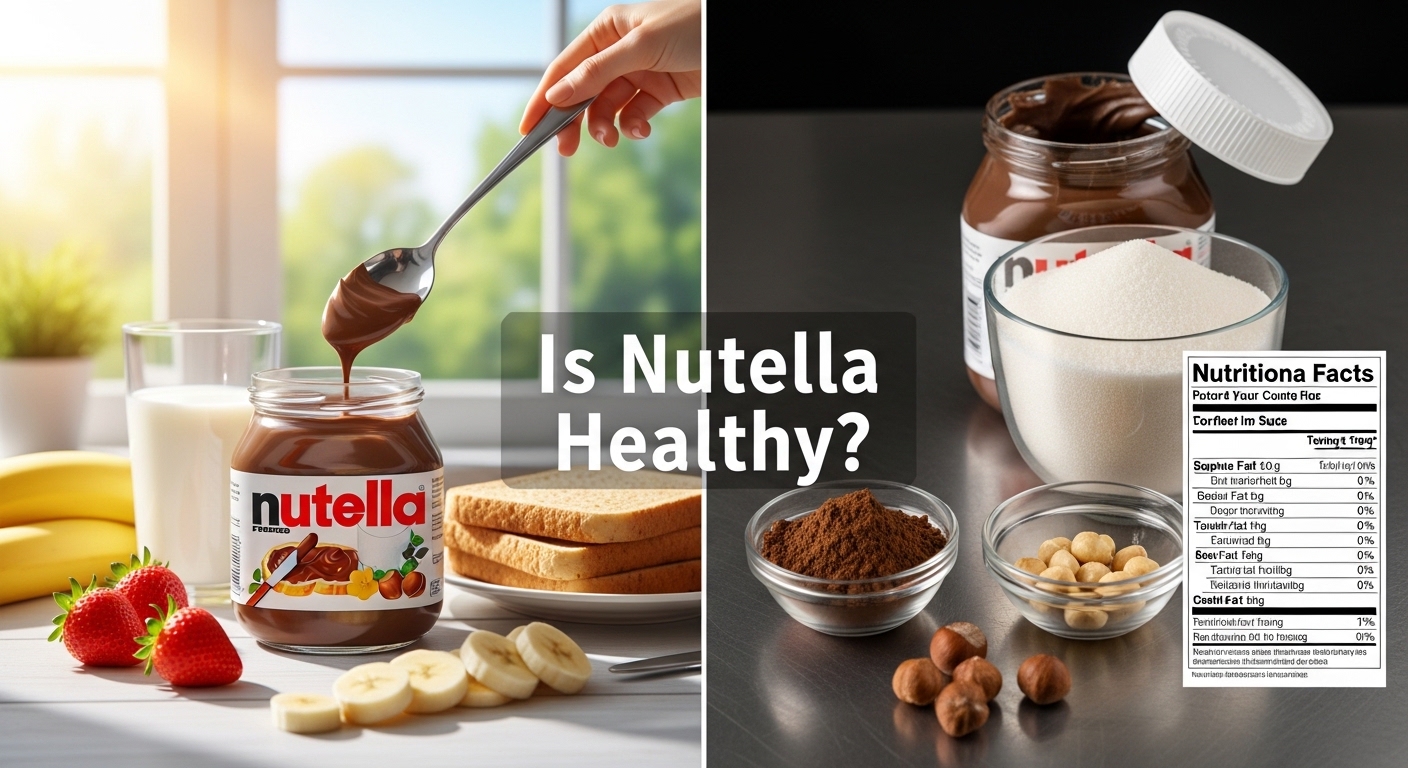
Many people enjoy spreading Nutella on toast, mixing it into yogurt, or using it as a dessert topping — but the big question remains: is Nutella healthy or just a sugary treat in disguise? The millions of consumers assume it’s nutritious because it contains hazelnuts and is often marketed as a breakfast spread. In reality, Nutella is high in sugar and fat, and excessive consumption can negatively impact health over time. With the right information and smart eating habits, you can enjoy Nutella in moderation while making healthier choices overall.
What Is Nutella? Understanding the Basics
Nutella is a chocolate‑hazelnut spread manufactured by Ferrero. Originally developed in Italy during World War II when cocoa was scarce, hazelnuts were added to stretch the chocolate flavor. Nowadays, it’s enjoyed worldwide as a sweet spread or dessert topping. While hazelnuts and cocoa are part of its makeup, sugar is the main ingredient — and that changes the nutritional story dramatically.
Nutella Nutrition Facts: What’s Really Inside
Here’s a breakdown of the typical nutrition in a standard serving (2 tablespoons / 37g):
- Calories: ~200
- Total Fat: ~11–12 g
- Saturated Fat: ~3.5 g
- Saturated Fat: ~3.5 g
- Sugar: ~21 g
- Protein: ~2 g
- Fiber: ~1 g
- Calcium & Iron: ~4% of daily value each
Because sugar makes up the largest proportion of Nutella, this spread is energy‑dense and low in protein or fiber compared with natural nut butters.
Is Nutella Healthy? The Truth Behind the Spread
High Sugar: The Big Red Flag
One of the key reasons Nutella isn’t considered healthy is its high added sugar content — about 21 grams per serving. That’s roughly 5 teaspoons of sugar, which is close to or exceeds the recommended daily added sugar limit for many people. A diet high in added sugar is linked with weight gain, metabolic issues, and increased risk of chronic diseases like type 2 diabetes and heart disease.
Calorie Density and Fat Content
At 200 calories per two tablespoons, Nutella is calorie‑rich for its small serving size. It also contains saturated fats from palm oil and cocoa, which can contribute to increased LDL (“bad”) cholesterol when eaten in excess.
Minimal Protein and Fiber
Natural nut butters like almond or peanut butter usually boast higher amounts of protein and fiber, which help with satiety and blood sugar control. Nutella, by contrast, provides very little of these nutrients.
Health Benefits of Nutella: What It Does Offer
Despite its drawbacks, Nutella does have a few positives:
Hazelnut‑Derived Nutrients
Hazelnuts are a source of vitamin E, healthy fats, and some antioxidants — nutrients that may support heart health and reduce inflammation. But Nutella’s hazelnut content is limited, so these benefits are relatively small.
Quick Energy Source
Because of its sugar and fat content, Nutella can provide a rapid energy boost when needed — for example, right before a workout or during long hikes — as long as portion sizes are controlled.
Nutella Healthy or Not? Comparing With Nut Butters
When you compare Nutella to natural nut butters like peanut or almond butter, the differences are clear:
- Natural nut butters provide more protein, fiber, and healthy fats.
- Nutella contains more added sugar and fewer essential nutrients.
- Experts generally agree peanut butter or almond butter fits better into a balanced diet when eaten in moderation.
Is Nutella Good for You? Expert Perspectives
Registered dietitians often point out that while Nutella isn’t inherently “bad” in small amounts, it shouldn’t be considered a healthy staple. Some experts emphasize that its marketed portrayal as a breakfast food can be misleading, and suggest enjoying it as an occasional treat rather than a daily dietary component.
Nutella Calorie and Health Info: Moderation Is Key
To keep Nutella part of a balanced lifestyle:
- Measure servings to avoid unwanted calorie or sugar overload.
- Pair Nutella with nutritious foods (like whole‑grain toast, fruit, or yogurt) rather than extra sugary snacks.
- Treat it as a dessert rather than a health food.
How to Enjoy Nutella More Healthfully
Here are a few ways to enjoy it without derailing your nutrition goals:
- Use a teaspoon instead of a tablespoon
- Spread thinly on whole‑grain bread
- Pair with fresh fruit like bananas or strawberries
- Combine with nut butters for extra protein
By keeping portions small and balancing with healthy foods, you can enjoy Nutella’s flavor without overwhelming your diet.
Nutella Nutrition FAQs
1. How much sugar is in Nutella?
A two‑tablespoon serving contains about 21 grams of sugar — which is high for such a small portion.
2. Is Nutella better than peanut butter?
Generally, peanut butter is more nutritious due to higher protein and healthy fats, while Nutella contains more added sugar.
3. Can Nutella be part of a healthy diet?
Yes, but only in small amounts and occasionally. It should not be a daily staple.
4. Does Nutella have any vitamins?
Nutella contains trace amounts of calcium and iron, but not enough to significantly impact your daily needs.
5. Is Nutella gluten‑free?
In many regions, Nutella is gluten‑free, but always check the label if you have gluten sensitivity.
Conclusion
So is Nutella healthy? The simple answer is no — not in any meaningful nutritional sense. It’s a tasty, sugar‑rich spread that can be enjoyed as an occasional treat but shouldn’t be relied on for health benefits. While hazelnuts and cocoa provide some antioxidants and healthy fats, Nutella’s sugar and calorie levels overshadow these positives. If you want truly nutritious alternatives, consider natural nut butters, whole nuts, or homemade chocolate‑nut spreads with less sugar.