Alaskan Seiti: Benefits, Uses, and Why This Sustainable Fish Is Gaining Popularity

Introduction
Finding nutrient‑dense, sustainable seafood that fits modern health and environmental values can be a challenge — especially when many fish choices today are either overfished, high in toxins, or lack nutritional punch. Alaskan Seiti offers a solution: a lean, protein‑rich, low‑mercury whitefish that’s as healthy as it is environmentally responsible. As consumer demand for clean, affordable nutrition rises, Alaskan Seiti is emerging as a go‑to choice within the broader Alaskan Seafood category — combining health benefits, culinary versatility, and sustainability in one package.
What Is Alaskan Seiti?
Alaskan Seiti is the consumer name used in some markets for Alaska Pollock, a white fish species (Gadus chalcogrammus) belonging to the cod family. It’s especially abundant in the Bering Sea and Gulf of Alaska, where wild fisheries are strictly managed.
Unlike more oil‑rich fish (like salmon), Seiti offers mild flavor and flaky white flesh, making it highly adaptable for home cooking and commercial products alike — from traditional baked fillets to surimi (imitation crab) used in sushi.
Nutritional Profile: Lean Protein + Essential Nutrients
One of the core strengths of Alaskan Seiti is its impressive and balanced nutrient profile:
- High‑quality protein: Each serving delivers about 16–20g of lean protein, essential for muscle maintenance and metabolic health.
- Low calories and fat: With most servings under ~90 calories and <1g of fat, it fits perfectly into calorie‑controlled diets.
- Omega‑3 fatty acids: While not as high as oily fish like salmon, Seiti still contains marine‑derived DHA and EPA, supporting heart and brain health.
- Vitamins & minerals: Seiti contains vitamin B12 (critical for nerves and blood cells), selenium (a potent antioxidant), phosphorus (important for bones), and niacin (for energy metabolism).
This combination makes Alaskan Seiti a solid choice for heart health, weight management, immune support, and daily nutrition.
Health Benefits Backed by Science
1. Heart and Brain Health
The omega‑3s in Seiti and its relative — Alaskan Pollock — contribute to improved cardiovascular function and reduced inflammation, effects widely confirmed in nutritional studies of fatty acids from seafood.
2. Weight and Metabolic Support
Low‑calorie, high‑protein foods like Seiti help maintain satiety and preserve lean body mass while managing calorie intake — ideal for people optimizing diets for weight loss or metabolic health.
3. Safe for Frequent Consumption
Compared to larger predatory fish (like tuna), Seiti/Alaskan Pollock has very low mercury levels, meeting safety standards that make it suitable for regular consumption by adults, children, and even pregnant women.
Why Sustainability Matters — And How Seiti Delivers
One of the most talked‑about aspects of this fish is its sustainability:
- Wild‑caught and well‑managed: The fisheries that supply Seiti operate under scientific monitoring and strict quotas, ensuring stocks remain abundant and healthy.
- Certified sustainable: Organizations like the Marine Stewardship Council (MSC) independently verify these practices, backing responsible fishing that minimizes ecological impact.
- Low bycatch practices: Targeted mid‑water trawling reduces accidental catch of non‑target species, helping maintain broader marine biodiversity.
Because of these measures, Alaskan Seiti stands out as a true sustainable fish choice, unlike many species facing overfishing or habitat degradation.
Culinary Uses: From Pan to Plate
Thanks to its mild, neutral flavor and flaky white flesh, Seiti pairs well with many cooking methods:
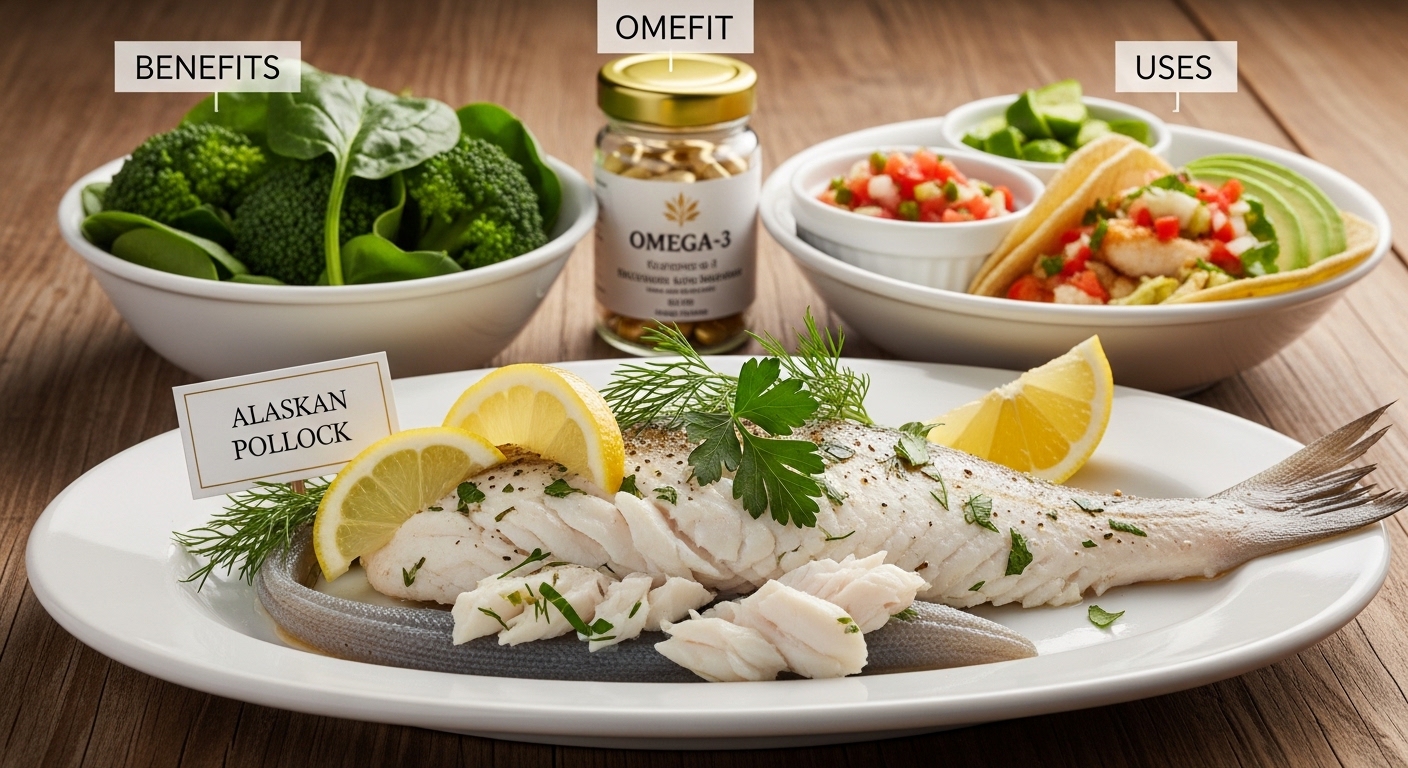
- Grilled or baked fillets with herbs and lemon
- Light fish tacos with fresh salsa
- Fish cakes or fish sandwiches
- Stews and soups where delicate flavor integrates without overpowering
This versatility makes it a favorite in home kitchens and restaurants alike — and its ability to absorb seasonings makes it a perfect canvas for global recipes.
Economic & Global Impact of Alaskan Pollock Fisheries
Beyond nutrition and sustainability, the fishery behind Seiti sustains communities and economies:
- It generates billions of dollars in economic output across the U.S. and supports thousands of jobs from harvest crews to processing plants.
- Its steady demand anchors shipping routes that benefit other Alaskan Seafood industries, strengthening global market access and local livelihoods.
This economic footprint underscores how responsible wild fisheries can be both ecologically sound and socially impactful.
FAQs About Alaskan Seiti
Q: Is Alaskan Seiti the same as Alaska Pollock?
A: Yes — “Seiti” is a market name used in some countries, but it refers to the same species widely known as Alaska Pollock.
Q: Is Seiti a healthy fish choice?
A: Absolutely — it’s lean, high in protein, and contains omega‑3s and essential nutrients with low mercury content.
Q: Does it taste strong?
A: No — Seiti’s mild flavor makes it suitable for a wide range of recipes and seasoning profiles.
Q: How does Seiti compare to other whitefish?
A: Its lean texture and mild taste are similar to cod or haddock, but with sustainability certifications that make it a standout choice.
Q: Is it safe for kids and pregnant women?
A: Yes — low mercury levels make it a safer regular option compared to larger high‑mercury fish.
Conclusion
Alaskan Seiti represents the ideal intersection of health, sustainability, versatility, and value. From its lean nutritional profile and heart‑friendly omega‑3s to its mild, kitchen‑friendly flavor and robust sustainability certifications, this fish is helping redefine what consumers expect from modern seafood. Whether you’re updating your weekly meal plan, exploring new sustainable choices, or seeking a wholesome family favorite, Alaskan Seiti delivers on all fronts — for people and the planet alike.