
Italian Pasta: Classic Types, Authentic Flavors, and Why the World Loves It

Many home cooks and food lovers adore pasta, yet they often miss out on the authentic experience of true Italian pasta — mistaking quick, generic noodle dishes for the rich traditions of Italy’s culinary heritage. The Italian pasta has deep regional distinctions, specific preparation techniques, and cultural roots that aren’t captured in every pasta dish outside Italy. The exploring traditional Italian pasta, from its classic shapes to famous recipes, understanding why these Italian noodle dishes are beloved worldwide, and learning how to honor authenticity in every bite.
The Roots of Pasta in Italian Cuisine
Italian pasta traces its history back centuries, becoming a staple by the 13th century, especially in southern Italy where durum wheat was abundant. This hard wheat gives pasta its firm texture, enabling it to retain shape and absorb sauces perfectly — a cornerstone of true Italian cooking.
Authentic Italian pasta is more than just noodles; it’s a reflection of regional identity and culinary craftsmanship. Many of the shapes and sauces were developed to complement each other, creating harmonious dishes designed for texture, flavor, and satisfaction.
Understanding Classic Italian Pasta and Its Varieties
Italy boasts hundreds of pasta shapes, each suited to specific sauces and regional tastes. For example:
- Spaghetti – Long, thin strands versatile with many sauces, from tomato to olive oil–based recipes.
- Penne – Tube-shaped pasta that traps chunks of sauce inside its ridges.
- Fusilli – Spiral shaped to hold hearty sauces and textured ingredients.
- Orecchiette – “Little ears” that capture greens and savory olive oil dressings.
- Spaghetti alla Chitarra – Square-section threads from Abruzzo, perfect for rich sauces.
These forms show how Italian pasta varieties evolved to pair with local ingredients and seasonal produce, from sea salt and fresh basil to robust meats and rich dairy.
What Makes Authentic Italian Pasta Different?
Authentic Italian pasta emphasizes quality ingredients, traditional techniques, and regional flair rather than heavy sauces or added creaminess often found elsewhere. For instance, classic Roman pastas like Cacio e Pepe or Carbonara rely on minimal ingredients — pasta, cheese, pepper, eggs, and cured pork — showing that simplicity, not complexity, defines true flavor.
Outside Italy, “Italian-style pasta” may include cream sauces or unconventional toppings. While those can be delicious, they don’t capture the historical essence of dishes passed down through generations in Italy.
Mainstream Favorites: Famous Italian Pasta Dishes
Italian cuisine today is loved globally thanks to a number of iconic dishes, each with origins in specific regions and cultural contexts:
Spaghetti alla Carbonara
A Roman classic with eggs, Pecorino Romano, and guanciale — no cream — showcasing a rich but delicate sauce.
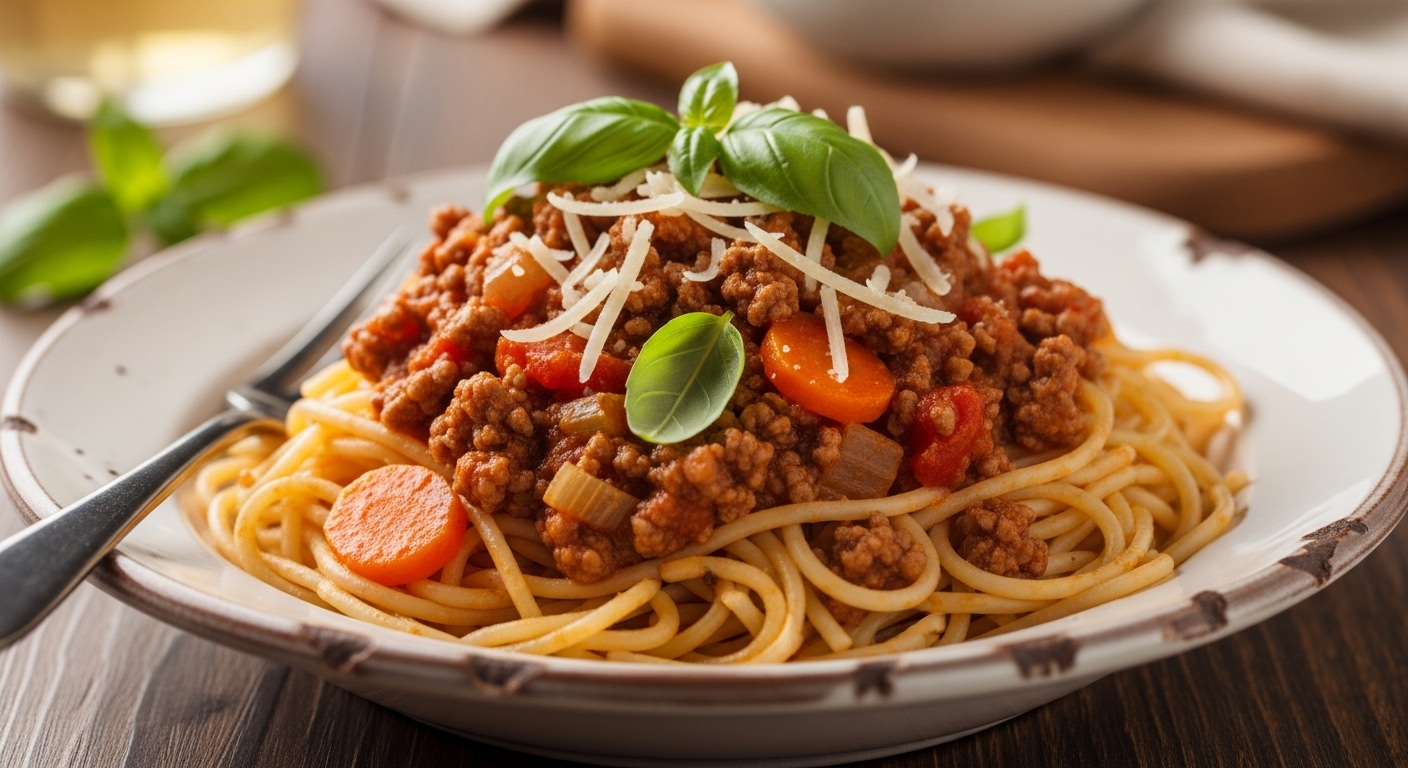
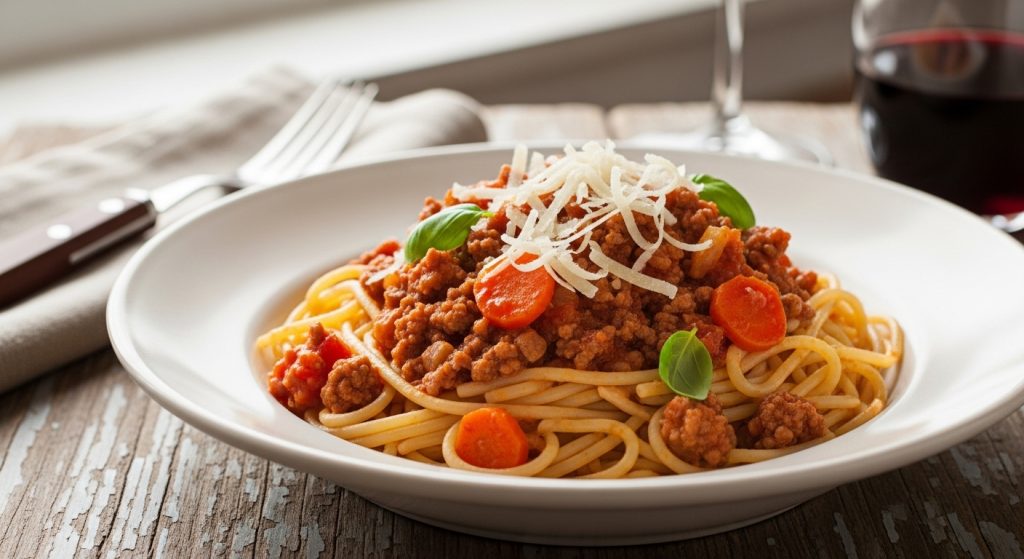
Tagliatelle al Ragù (Bolognese)
Originating from Emilia-Romagna, this flat pasta shines with slow-cooked meat ragù, often enjoyed during family gatherings.
Spaghetti alla Puttanesca
From Naples, this bold pasta uses tomatoes, olives, capers, anchovies, and chili for assertive Mediterranean flavors.
Pasta alla Norma
A Sicilian dish combining eggplant, tomato sauce, ricotta salata, and basil, celebrated for its vibrant colors and flavors.
Trofie al Pesto
A Ligurian staple where twisted pasta pairs with fresh basil pesto — pine nuts, garlic, Parmesan, and oil.
These classic Italian pasta dishes are just a sample of how Italy’s diverse regions have shaped global appreciation for pasta.
Regional Italian Pasta: Flavors from North to South
Each Italian region offers unique pasta traditions:
- Northern Italy: Egg-based pastas like agnolotti and rich sauces with butter, cream, or truffles.
- Central Italy: Simpler, bolder recipes like Cacio e Pepe and Amatriciana, highlighting quality cheese and tomatoes.
- Southern Italy: Tomato-based dishes and seafood pairs that reflect sunny coastal ingredients.
These regions embody how Italy’s climate and agriculture influence pasta styles, sauce preferences, and even cooking techniques.
How to Cook Italian Pasta the Right Way
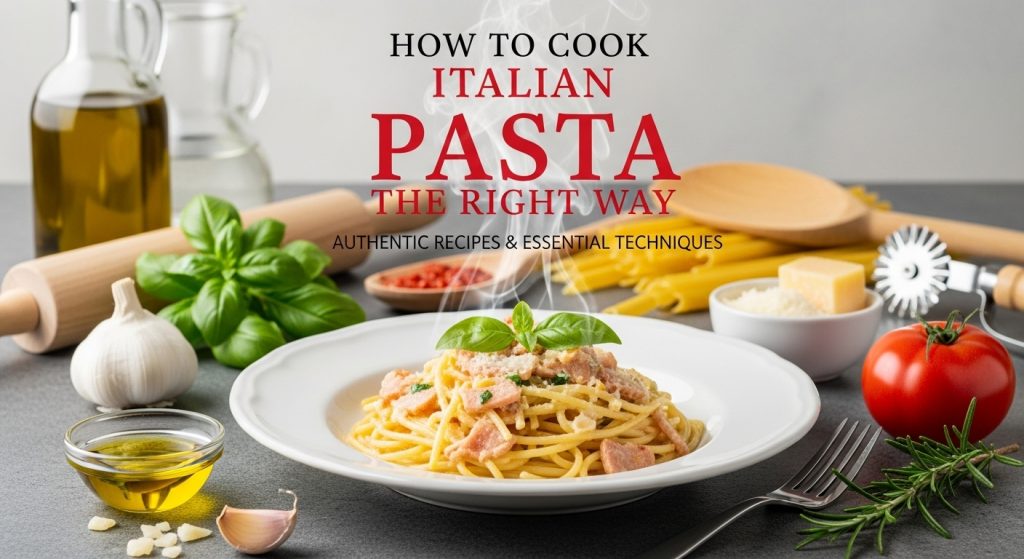
Cooking Italian pasta properly starts with al dente — firm to the bite — ensuring the pasta maintains texture and flavor. Always salt the water generously and reserve some pasta water to help sauce cling to strands, a traditional technique used by Italian chefs. Pairing the correct sauce style with the pasta shape — long noodles for light sauces, tubes and twists for hearty sauces — enhances taste and satisfaction.
Why the World Loves Italian Pasta
Italian pasta’s universal appeal lies in its versatility and emotional resonance. It’s comfort food that adapts well across cultures, yet each classic dish maintains a connection to its origin story and culinary philosophy. From family dinners to Michelin-starred tables, Italian pasta remains a global favorite.
Frequently Asked Questions
What makes Italian pasta authentic?
Authentic pasta comes from traditional ingredients, simple techniques, and regional heritage rather than heavy sauces or mass-production shortcuts.
How do I choose the right pasta for a sauce?
Long, thin pastas pair best with light sauces; short shapes and tubes hold chunky, rich sauces more effectively.
Is carbonara really made without cream?
Yes — traditional Carbonara uses only eggs, cheese, cured pork (guanciale), and pepper. Cream is a non-traditional addition.
Conclusion
Italian pasta is not just a dish — it’s a cultural treasure shaped by history, regional diversity, and an unwavering focus on quality. Whether you’re exploring classic Carbonara, discovering handmade regional shapes, or learning why a simple olive oil and garlic sauce can shine, Italian pasta offers a culinary journey unmatched in depth and flavor. Its global popularity reflects both tradition and adaptability, truly making pasta from Italy a beloved cornerstone of world cuisine.