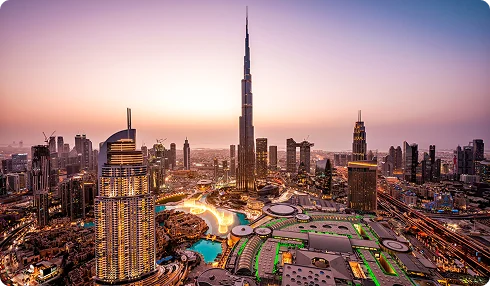
Redefining the Skyline: The Art and Innovation of Modern Residential Exterior Design

Modern residential exterior design has evolved into a powerful expression of lifestyle, technology, and environmental awareness. Buildings are no longer just functional shelters; they are carefully crafted visual statements that define city skylines and neighborhood identities. Today’s residential architecture blends aesthetics with performance, creating homes that are efficient, sustainable, and visually compelling. From material choices to structural form, every exterior decision contributes to a larger narrative about how people want to live in increasingly urbanized environments.
2. Minimalism: The Foundation of Modern Design
Minimalism has become the guiding principle of contemporary residential exteriors. Clean lines, simple geometric forms, and uncluttered façades define this approach. Instead of excessive ornamentation, architects focus on proportion, symmetry, and spatial clarity. This design philosophy emphasizes “less but better,” where every element serves both an aesthetic and functional purpose. The result is a calm, balanced exterior that feels timeless rather than trend-driven, allowing buildings to remain visually relevant for decades.
3. Glass Architecture: Transparency and Connection
Glass plays a central role in modern residential buildings, transforming the relationship between indoor and outdoor spaces. Large floor-to-ceiling windows and transparent balconies create a seamless visual flow, allowing natural light to dominate interior environments. This transparency enhances comfort while reducing the need for artificial lighting during the day. Externally, glass reflects surrounding landscapes and cityscapes, making buildings appear dynamic and ever-changing depending on light, weather, and time.
4. Sustainability: Designing for the Future
Sustainability is now a core requirement rather than an optional feature in residential design. Architects increasingly integrate green roofs, solar panels, and energy-efficient façades to reduce environmental impact. These elements not only lower energy consumption but also improve air quality and thermal comfort. Materials are often sourced responsibly, and passive design strategies—such as natural ventilation and shading—are widely used. The goal is to create buildings that coexist harmoniously with the environment rather than strain it.
5. Materials and Texture: Depth in Modern Facades
Material selection is essential in shaping the identity of modern residential exteriors. Designers often combine contrasting surfaces such as concrete, wood, metal, and stone to create depth and visual interest. This layered approach prevents large buildings from appearing flat or monotonous. In many contemporary landscaping and driveway integrations, textured rustic crazy pave tiles are used to add an organic, artistic irregularity that softens rigid architectural lines. The contrast between structured geometry and natural variation enhances the overall aesthetic experience.
6. Environmental Integration: Architecture and Landscape in Harmony
Modern residential buildings are increasingly designed to blend with their natural surroundings rather than dominate them. Architects consider topography, vegetation, and climate from the earliest design stages. Buildings may be terraced into hillsides, elevated to preserve ground ecosystems, or surrounded by integrated green spaces. This approach creates a stronger connection between residents and nature, promoting wellbeing while maintaining ecological balance. Exterior design is no longer isolated but part of a broader environmental system.
7. Lighting Design: Shaping Atmosphere After Dark
Lighting has become a defining feature of modern residential exteriors, especially in urban environments. Carefully placed LED systems highlight architectural forms, emphasizing textures, angles, and structural rhythm. Soft ambient lighting enhances warmth and safety without overwhelming the design. In some developments, programmable lighting systems allow façades to change appearance throughout the night. This transforms buildings into dynamic visual experiences, ensuring they remain visually engaging even after sunset.
8. Smart Technology: Responsive Building Envelopes
Technology is revolutionizing exterior design through intelligent and adaptive building systems. Smart façades can respond to environmental conditions such as sunlight, wind, and temperature. Automated shading devices, kinetic panels, and ventilated skins improve energy efficiency while enhancing comfort. These systems allow buildings to actively interact with their environment rather than passively endure it. As a result, residential architecture is becoming more dynamic, efficient, and responsive to human needs.
9. Urban Density: Vertical Living and Spatial Efficiency
As cities continue to grow, residential buildings must adapt to increasing density. Vertical housing complexes are now common, maximizing usable space while maintaining architectural elegance. Designers focus on slim silhouettes, stacked modules, and integrated outdoor spaces such as balconies and sky gardens. These elements help maintain a sense of openness despite limited ground area. Exterior design in dense cities must balance privacy, functionality, and visual appeal within compact footprints.
10. Conclusion: The Future of Residential Exteriors
Modern residential exterior design represents a fusion of creativity, sustainability, and technological innovation. It reflects changing lifestyles and the growing need for environmentally responsible construction. As architecture continues to evolve, buildings will become more adaptive, intelligent, and integrated into their surroundings. The future points toward façades that are not only visually striking but also responsive and ecological. Ultimately, residential design is shaping not just structures, but the way people experience urban life itself.